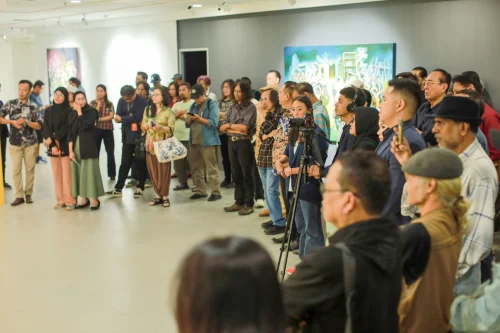
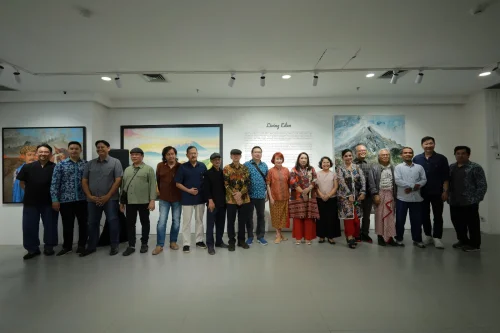
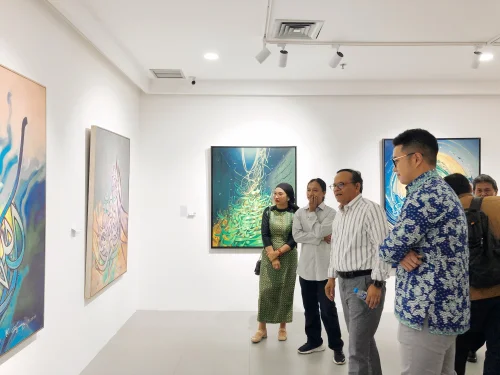
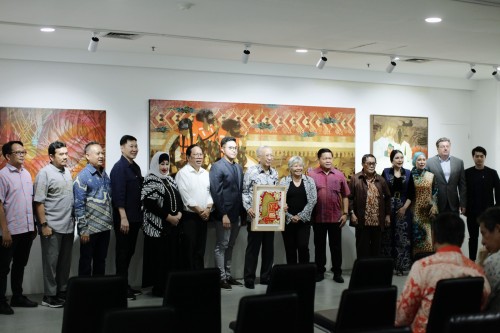
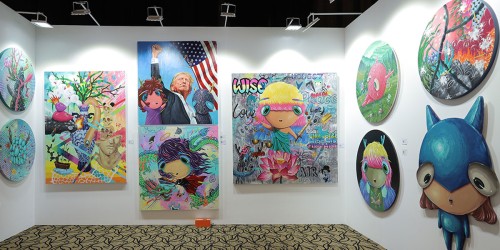
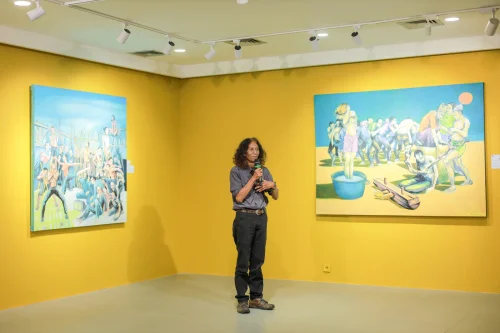
In collaboration with artist Diyanto, NEO Gallery is honored to present the “Seribu Tableau” exhibition which is held from 9 - 30 May 2026. This exhibition features 19 of Diyanto’s works which perfectly portrays his mastery in implementing theatrical elements, or resemblance to tableau, as well as showcasing his renowned style of creating large paintings which can span over two meters wide.
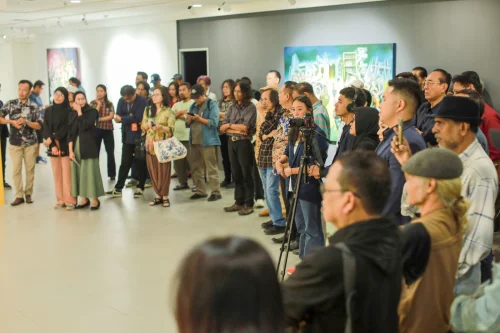
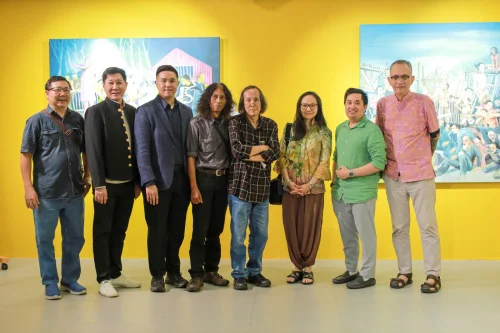
The opening for the exhibition was held on the 9th of May 2026 and was officiated by Irawan Karseno and hosted by Luly Joenoes Iskandar and Iryanto Hadi. This exhibition was curated by Hendro Wiyanto and reflects the relationship between real life and theatre.
The Theatre That Shaped Diyanto
Diyanto, born in Majalengka in 1962, has been painting since the 1980s. During his studies at the Bandung Institute of Technology, he became fascinated with the world of theatre. Although he wasn’t an actor, he was drawn to the various elements of performing arts, such as its lighting, costumes, props, stage design, and how the actors seemingly move across the stage. This fascination was what influenced his style of painting, where his works often depict dramatic scenes consisting of various people in different poses.
Instead of being inspired by traditional theater, Diyanto leans more towards experimental or he would call it, postdramatic theatre, where the focus is less on storytelling and more towards visual experiences, fragmented narratives, absurd dialogues, and unusual stage settings and atmosphere. Due to this, he didn’t see painting as merely a tool for storytelling but also as a staged visual experience. Hence, instead of only painting realistic subjects, he combines them with his memories, imagination, and observations of real life people and its events.
Tableau Vivant: The Living Picture
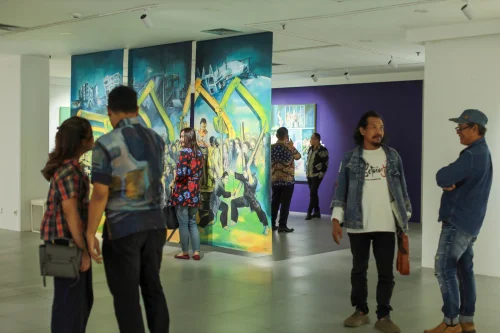
Tableau vivant is French for “living picture”, a concept used to describe a stage scene where actors remain silent and motionless when reenacting a certain event, narrative, or artworks such as paintings and statues. Although Diyanto himself did not direct a real stage, he did so imaginatively through his paintings, often basing it off from his experiences. This creates paintings that don't always “make sense”. Sometimes, there would be a clear subject, while other times it seems as if every figure on the painting has their own story.
Through this, Diyanto was able to portray different kinds of people; from an artist, soldier, official, a clown, dancer, and more. It was as if the paintings reflect what we see everyday, making the tableau within a large frame symbolizing the lives and spectacle we share in life.
The Line Between Reality and Theatre
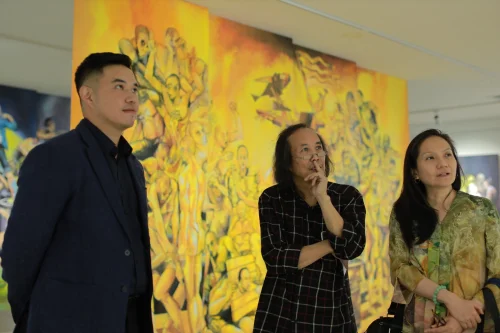
Diyanto believes that the modern society is a spectacle, where people are constantly watching each other while also desiring to be watched. This has become more prominent with the current digital world, where media is seen to constantly transform human life into entertainment. Hence, theatre and real life share a lot in common; where actors practice endlessly to appear believable, people in real life subconsciously try to fulfil their social roles in order to be acknowledged and accepted by those around them. With this, the lines of theatre and real life are blurred, and Diyanto’s paintings reflect the idea that human life itself is theatrical in nature.
Exhibition Details & Visitor Information
Dates: 9 - 30 May 2026
Operational Hours: Daily from 09:00 to 17:00 WIB
Venue: NEO Gallery, Masterpiece Building (2nd Floor), Jl. Tanah Abang IV No. 23-25, Central Jakarta
Admission: Free (On-site registration available)
For more information, please visit the NEO Gallery Instagram page @neogallery.idn or contact Mira at 0812-8333-4157.